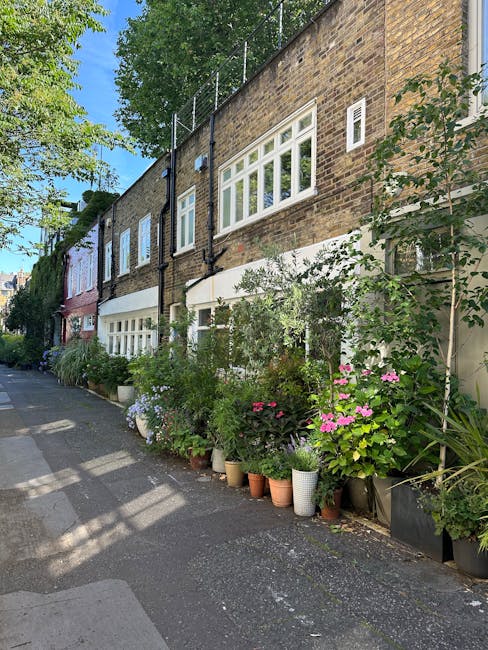
Affordable gardeners for Green Street terraces E13
If you live in one of the terraces around Green Street in E13, you will know the garden can be a blessing and a bit of a puzzle. Space is usually limited, access can be awkward, and the border that looked "fine for now" in spring can turn into a jungle by midsummer. That is exactly where affordable gardeners for Green Street terraces E13 make life easier: sensible, regular, no-drama help that keeps a small outdoor space neat without turning it into an expensive project.
This guide is written for people who want good-looking results, realistic pricing, and a service that understands terrace gardens, shared boundaries, and the day-to-day realities of London living. We will cover what affordable gardening support actually means, how to compare options, what to expect on site, and how to avoid paying for work you do not need. A tidy terrace garden should feel calming, not complicated.
Why Affordable gardeners for Green Street terraces E13 Matters
Terrace gardens in E13 often look straightforward from the street, but the work behind them can be surprisingly fiddly. Narrow side access, compact back yards, older fencing, uneven paving, and planted corners that catch damp all change how gardening should be done. A good gardener does not just "cut things back". They work with the layout, the season, and your budget.
Affordability matters because a lot of homeowners and tenants want the garden kept under control without committing to a full landscaping overhaul. Maybe you only need a monthly visit. Maybe the front and rear need a reset after winter. Maybe the beds are overgrown, but you are not ready to replace everything. In those moments, a sensible gardener is worth their weight in compost.
There is also a local angle. Green Street terraces can be busy, lived-in, and time-poor. People are often juggling work, family, commuting, and the usual London "I'll get to it at the weekend" routine. A reliable, fairly priced garden service turns a stressful outdoor space into something manageable again.
Practical summary: affordable gardening is not about the cheapest possible quote. It is about getting the right amount of work, at the right frequency, from someone who understands small urban gardens and does not oversell the job.
How Affordable gardeners for Green Street terraces E13 Works
Most affordable garden care starts with a quick assessment of the space and the work needed. For terrace properties, this usually means checking access, the size of the front and rear areas, the condition of lawns or hard landscaping, and whether there are hedges, climbers, or established shrubs that need regular attention.
The process is usually simple. You describe the garden, share a few photos if asked, and explain what matters most: tidy-up, regular maintenance, hedge cutting, weeding, pruning, or leaf clearance. From there, the gardener can recommend a sensible schedule. That might be one-off work for a long-neglected garden, or a recurring visit to prevent things building up again.
In our experience, the most efficient jobs are the ones with clear priorities. For example: "please cut the front hedge, weed the patio, and tidy the rear beds" is better than "make it nice". Fair enough, everyone wants it to look nice. But specific instructions save time, which helps keep costs sensible.
Affordable service also tends to be built around focused labour rather than unnecessary extras. That can include:
- regular mowing and edging where a lawn exists
- weeding paths, borders, and paving joints
- light pruning and seasonal tidy-ups
- hedge trimming for privacy and shape
- leaf collection and green waste removal
- basic planting refreshes or soil improvement
For many terrace gardens, that is all you need. Truth be told, a clean edge and a properly cut hedge can transform a space more than people expect.
Key Benefits and Practical Advantages
The biggest benefit is straightforward: you keep the garden under control without overpaying for a service package you do not need. But there are other advantages too, especially in smaller E13 properties where every square metre matters.
1. Better use of limited space. Terrace gardens are often compact. A skilled gardener knows how to open up the sightlines, reduce clutter, and make the area feel bigger without changing the layout.
2. Regular maintenance prevents bigger bills. A little upkeep each month is usually cheaper than rescuing a garden that has been left for half a year. That is just how plant growth works. It keeps going, annoyingly.
3. Safer, tidier outdoor areas. Slippery paths, overgrown edges, and fallen leaves can all become practical problems, especially if you use the garden daily or have children, pets, or older visitors.
4. More predictable budgeting. Affordable gardeners often offer a clear scope of work, which makes it easier to plan ahead. If you want guidance on cost planning and what affects a quote, the pricing and quotes page is a useful place to start.
5. Better presentation for renting or selling. A tidy terrace garden can make a home feel cared for. It is not just about looks. It changes first impressions in a very real way.
There is also a quieter benefit: peace of mind. You step outside on a grey weekday morning, and instead of seeing a small botanical argument, you see order. Nice feeling, that.
Who This Is For and When It Makes Sense
This type of service is a good fit for a wide range of people. You do not have to be a gardening expert, and you do not need a large outside space. In fact, smaller gardens often benefit the most because they are easier to maintain well but also easier to neglect.
- Busy homeowners who want a clean, usable garden without spending every weekend on it
- Tenants who need an affordable tidy-up and ongoing upkeep
- Landlords and letting agents preparing a terrace property between tenancies
- Older residents who want safe, practical help with physical garden tasks
- Families who need a garden that can actually be used, not just looked at
- New homeowners who have inherited a messy garden and need a reset
It makes sense particularly when the garden has become a bit of a project but not enough of a project to justify major redesign work. You may just need routine maintenance, some hedge work, or a proper seasonal clear-up.
It also makes sense if you are trying to get ahead of the problem. Once a terrace garden slips past a certain point, the work becomes heavier and less affordable. A little prevention goes a long way.
Step-by-Step Guidance
If you want the best value, approach the job in a structured way. It does not have to be formal or fussy, just clear.
- Walk the garden first. Look at what is actually bothering you. Is it weeds, hedge height, patchy grass, messy borders, or all of it together?
- Separate essential work from nice-to-have work. For example, safety and access first, appearance second, decorative improvements third.
- Take a few clear photos. Wide shots help show layout. Close-ups help show problem spots. This saves time later.
- Ask what is included. Does the price cover waste removal, green waste bagging, pruning, or just labour? Small details matter.
- Discuss timing. A one-off spring tidy is different from a monthly maintenance plan. If you want a cleaner result over time, say so early.
- Confirm access arrangements. Terrace properties can have awkward side gates, shared entrances, or limited storage for tools.
- Review the quote against the scope. Compare like for like. A lower number is only useful if the same work is actually included.
- Book the first visit and reassess afterward. Once the garden is back under control, you can decide whether occasional visits are enough.
A small note here: the first visit is often the most important one. It sets the standard, and it usually tells you whether a light-touch maintenance rhythm will be enough going forward.
Expert Tips for Better Results
These are the kinds of practical choices that tend to make a real difference, especially on terrace plots where space is tight and every job has knock-on effects.
Keep the brief simple but specific
If you want to stay within budget, avoid vague requests that invite extra work. Say what matters most. A gardener can then prioritise tasks properly, which usually means better value.
Choose regular maintenance over emergency clean-ups where possible
Routine care is easier to manage and usually less disruptive. A short visit every few weeks is often more cost-effective than waiting until the whole place has gone overgrown.
Think in zones
Terrace gardens often work better when split into zones: front approach, main sitting area, beds, boundary planting, and storage corner. That makes it easier to decide where money should go first.
Use seasonal timing
Spring growth, midsummer strimming, autumn leaf fall, and winter tidying all create different demands. A sensible gardener will adjust work to the season rather than treating every month the same.
Ask for practical recommendations, not just labour
Sometimes a simple fix saves recurring cost. A better mulch choice, a neater edge, or a clearer planting pattern can reduce future maintenance. That is the kind of advice you want from an experienced local gardener.
If you want to learn more about broader service options, the services overview gives a good sense of how different garden tasks can be combined efficiently.
Common Mistakes to Avoid
Let's face it, most expensive gardening mistakes are not dramatic. They are small ones that add up. Here are the usual culprits.
- Choosing on price alone. The cheapest quote can become poor value if it excludes waste removal, trimming detail, or proper tidying.
- Asking for too much at once. A terrace garden does not always need a full reset and ongoing maintenance at the same time.
- Ignoring access issues. Narrow entrances and limited parking can affect how quickly a job can be completed.
- Letting hedges and shrubs get away from you. Overgrown growth is more time-consuming and often more expensive to correct.
- Forgetting about seasonal maintenance. A garden that looks fine in May can look very different by September.
- Not clarifying waste disposal. Green waste can be part of the price, or not. Better to ask.
One common trap is expecting the same result from one visit that would usually take several stages. A good gardener can absolutely improve a garden quickly, but some fixes need follow-up. That is not upselling. That is simply how living things behave, slightly inconveniently.
Tools, Resources and Recommendations
You do not need specialist knowledge to prepare for a gardening visit, but a few basic tools and practical habits make the process smoother and more affordable.
| Task | Useful approach | Why it helps |
|---|---|---|
| Initial assessment | Take photos before and after, from a few angles | Makes quoting clearer and helps track progress |
| Weeding | Identify the worst areas first | Stops time being spent on low-priority patches |
| Pruning | Focus on overgrowth, dead wood, and shape | Improves light, access, and appearance quickly |
| Waste handling | Ask whether disposal is included | Prevents surprise charges |
| Ongoing care | Book regular light maintenance if practical | Usually cheaper than repeated heavy clearances |
A few sensible home-side items can also help between visits: sturdy gloves, a small hand fork, pruning shears, a broom for paving, and a simple storage spot for bags or pots. Nothing fancy. Just enough to stop minor jobs becoming major ones.
If you are comparing cost and payment arrangements, it is worth reading the company's payment and security information so you know how bookings and payments are handled.
You may also find it reassuring to review the recycling and sustainability approach, especially if you want clippings and garden waste dealt with responsibly rather than piled into general rubbish.
Law, Compliance, Standards and Best Practice
For everyday domestic garden maintenance, the main concern is not legal complexity so much as responsible, safe working practice. That said, reputable gardeners should still operate with proper care around access, tools, waste, and property boundaries.
A few best-practice points are worth keeping in mind:
- Insurance: A professional gardener should be able to explain how they approach liability and safety. The insurance and safety page is a helpful trust signal here.
- Health and safety: Safe tool use, sensible lifting, and attention to trip hazards all matter, especially on tight terrace sites. You can also review the health and safety policy.
- Property boundaries: Before cutting back hedges or climbing plants, it is wise to confirm what belongs to your side and what might need neighbour awareness.
- Waste handling: Green waste should be managed responsibly, with disposal or composting handled in a clear, agreed way.
- Terms and scope: A written understanding of what is included avoids confusion. The terms and conditions page is relevant for that kind of clarity.
There is no need to overcomplicate it. Most domestic work is straightforward when the gardener communicates well and the customer knows what is included. Good practice is usually obvious: neat work, safe conduct, clear pricing, no mystery about the waste. Simple, really.
Options, Methods and a Comparison Table
Not every terrace garden needs the same type of help. Some people want one-off rescue work. Others want light, recurring maintenance. A few need both, in stages. The best option depends on the condition of the garden and how often you actually use it.
| Option | Best for | Pros | Trade-offs |
|---|---|---|---|
| One-off tidy-up | Overgrown gardens, move-ins, pre-event preparation | Fast improvement, easy to book | May not stay tidy for long without follow-up |
| Seasonal maintenance | Gardens that change with the weather | Balances cost and upkeep | Needs a bit of planning |
| Regular visits | Busy households, landlords, small front and rear gardens | Prevents build-up, predictable budgeting | Requires commitment to a routine |
| Targeted specialist work | Hedges, pruning, problem areas | Useful for specific issues | Not a full solution on its own |
For many Green Street terrace homes, a mixed approach works best: start with a tidy-up, then move to low-cost maintenance. That way you fix the mess, then stop it coming back. Very unglamorous. Very effective.
Case Study or Real-World Example
Picture a typical terrace garden behind a Green Street property. There is a small paved area, a narrow strip of borders, a few tired pots, and a hedge that has drifted well past "tidy" into "slightly territorial". Nothing dramatic, but the whole space feels cramped and dark.
The owner does not want a redesign. They want the garden usable again. So the work is split into three parts: clear the weeds, reduce the hedge to a sensible height, and tidy the borders so the paving is visible again. The result is immediate. Light comes back into the space. The path feels wider. The garden becomes somewhere to sit, not somewhere to avoid.
After that first visit, a lighter maintenance schedule keeps it under control. A short session every so often prevents the hedge from taking over again and stops the paving from vanishing under new growth. That is the pattern many terrace gardens need. Not grand intervention. Just sensible rhythm.
It is the kind of job where the before-and-after difference is almost funny, in a good way. One hour of clear work can change the feel of the whole property. You can almost hear the garden exhale.
Practical Checklist
Use this quick checklist before you book affordable garden help for a terrace in E13.
- Identify your top three priority tasks
- Take clear photos of the front and rear garden
- Check whether access is straightforward
- Decide if you need one-off work or ongoing maintenance
- Ask whether waste removal is included
- Confirm how the quote is structured
- Review safety and insurance information
- Be clear about hedges, pruning, lawn care, or weeding priorities
- Ask about seasonal follow-up if the garden grows quickly
- Make sure the service fits your budget and timing
Quick tip: if you are unsure what to prioritise, start with whatever affects access, safety, or visibility first. The rest can usually follow.
Conclusion
Affordable gardeners for Green Street terraces E13 are not just about saving money. They are about getting the right kind of help for a compact, lived-in London garden that needs practical care rather than overblown promises. When the scope is clear, the work is focused, and the communication is honest, you get a garden that looks better and feels easier to live with.
The best outcomes usually come from simple habits: tidy early, maintain regularly, and choose a gardener who understands the realities of terrace properties. That combination keeps costs sensible and the space usable all year round. And honestly, that is what most people want - a garden that behaves itself for once.
If you are ready to compare options, review the service details, or ask a few questions before booking, take a look at the site pages that explain the process and support the decision. A clear next step is often the most useful one.
Get a free quote today and see how much you can save.
Sometimes the smallest bit of care makes a home feel lighter, calmer, and more yours again.
Frequently Asked Questions
What do affordable gardeners for Green Street terraces E13 usually include?
They usually cover practical tasks such as weeding, hedge trimming, mowing where relevant, light pruning, leaf clearance, and general tidy-up work. The exact scope depends on the garden and the quote.
How do I know if I need a one-off tidy-up or regular maintenance?
If the garden is simply overgrown or messy, a one-off tidy-up may be enough to reset it. If it grows quickly or you want it to stay neat, regular maintenance is usually better value over time.
Are terrace gardens more expensive to maintain?
Not always. Smaller gardens can be quicker to manage, but awkward access, heavy overgrowth, and boundary issues can increase time on site. The real cost depends on the work involved, not just the size.
Can I ask for just hedge trimming or just weeding?
Yes. In fact, being specific often helps keep costs down. Targeted work is ideal when one area is causing most of the problem.
What should I ask before booking a gardener?
Ask what is included, whether waste removal is covered, how access works, how they handle payment, and whether they can explain safety and insurance arrangements. Those are the practical questions that matter.
How often should a small terrace garden be maintained?
That depends on growth rate and use. Some gardens need monthly attention, others only seasonal visits. A gardener can usually suggest a sensible interval after the first visit.
Do affordable gardeners bring their own tools?
Usually, yes. Most professional gardeners arrive with the tools needed for the agreed tasks. If something specific is required, it is better to check in advance.
What if my garden has poor access or limited parking?
Tell the gardener early. Terrace properties often have access quirks, and planning for them avoids delays. It may affect quote structure, but it is usually manageable.
How do I keep costs low without cutting corners?
Prioritise the most important jobs, keep the brief clear, and book maintenance before the garden becomes heavily overgrown. Prevention is nearly always cheaper than rescue work.
Is it worth checking company policies before I book?
Yes. Pages such as about us, insurance and safety, and health and safety policy help you judge whether the service is professional and transparent.
What should I do before the first visit?
Clear access if you can, make note of your priorities, and share a few photos. If there are fragile plants, shared boundaries, or special instructions, mention them early. It makes the job smoother and the result better.
Where can I find more information about pricing and booking?
The most useful next step is to review the pricing and quotes page and then use the contact page if you want to discuss your garden in more detail.