Hedge Trimming in West Ham

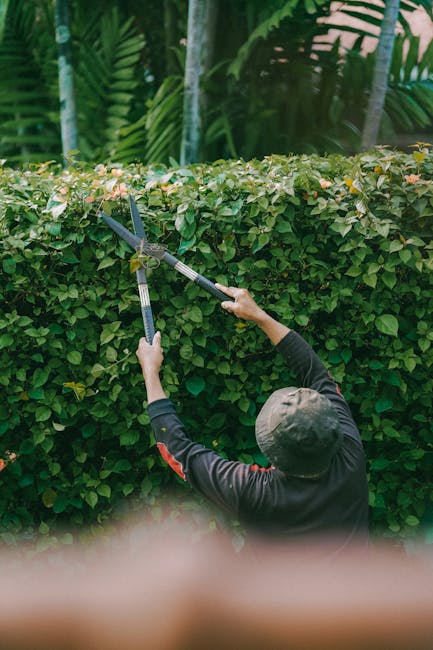
Hedge trimming in West Ham is a practical way to keep boundary planting neat, controlled and healthy through the seasons. Our service focuses on shaping hedges to the level you want, reducing overgrowth that blocks paths or light, and keeping regular garden lines looking intentional rather than unruly. It suits front gardens, rear boundaries, side returns and mixed planting where a tidy finish matters as much as the plant’s long-term condition.
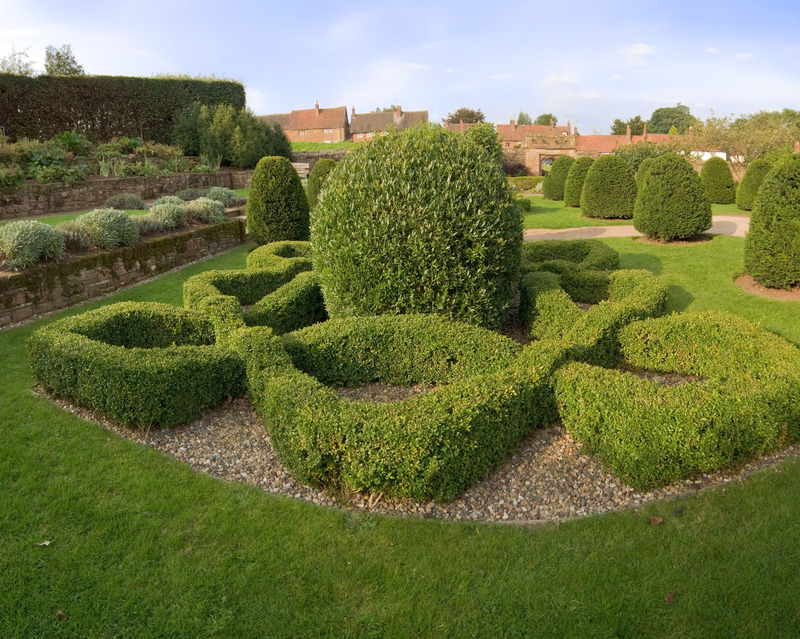
We work across common hedge forms, from compact ornamental shrubs to taller boundary screens, and we can usually trim to a defined height, a clean face or a softer natural profile. The aim is not to force every hedge into the same shape, but to give each one a finish that suits the garden and the growth habit. If you need hedge trimming in West Ham that feels careful rather than rushed, this page outlines the main options.
For a clear quotation, it helps to share the hedge type, approximate length, height and whether you want a light tidy-up or a stronger reduction. A simple description is often enough to start. Tell us the outcome you want, and we can discuss the most suitable approach before any work is arranged.
Regular hedge trimming and seasonal shaping
Regular trimming keeps hedges dense, balanced and easier to maintain over time. When growth is cut back little and often, the hedge tends to hold its outline better and may need less corrective work later. This approach is especially useful for formal garden borders, screening hedges and mixed perimeter planting where consistency matters. We can trim to the existing line, refine uneven sections and help prevent one side from running ahead of the other.
Seasonal shaping is about more than making a hedge look neat for a single day. It can help manage width, improve light around beds and paths, and keep the hedge from becoming too heavy at the top. Where a hedge has become misshapen, we can usually work towards a better profile in stages rather than stripping too much growth at once. That is often the safer long-term choice for the plant and for the garden layout.
Height reduction and controlled reshaping

Some hedges need more than a tidy cut. Height reduction may be appropriate where a hedge has outgrown its position, started to shade a garden excessively, or become awkward to reach for routine care. In those cases, a controlled reduction can improve manageability while keeping the hedge usable as a screen or boundary. The right amount to remove depends on the species, its condition and how much growth it can reasonably lose in one visit.
When reshaping is needed, we aim to keep the hedge visually stable rather than creating sharp setbacks that take a long time to recover. This can involve bringing the top line back into proportion, reducing the spread on the sides, or evening out sections that have grown faster than others. Some hedges respond well to a bolder cut, while others need a slower, more patient approach. A sensible plan matters more than a quick result.
Useful details for a quotation include whether the hedge is one-sided or free-standing, whether it borders a pavement or driveway, and whether access is straightforward from the garden or needs careful working space. If you are unsure how much reduction is realistic, we can talk through the likely options and suggest the lighter or fuller treatment that matches the hedge’s condition. Share a photo if you have one, but a short description can also be enough to begin the discussion.
Boundary hedges, front gardens and visibility
Boundary hedges often serve more than one purpose. They define a property line, soften hard edges and can help screen the garden from passers-by. In front gardens and around corners, though, visibility becomes important as well. A hedge that is too broad or too tall can obstruct sightlines, make gates harder to use and crowd surfaces that need to remain clear. Trimming in these areas needs a tidy finish and a careful eye for proportions.
We can shape boundary hedges to preserve privacy while improving their neatness and practical use. That may mean levelling the top, straightening the face or easing growth away from paths and entrances. For hedges that sit close to walls, fencing or railings, careful trimming helps avoid rubbing and keeps the line of the garden sharper. The result should look deliberate and remain manageable between visits, not simply cut back for the sake of it.
Access, waste and preparing for the work

Access is one of the main practical factors in hedge work. If the hedge is behind a side gate, along a narrow run or near garden furniture, we need enough space to work safely and finish the trim properly. Clear access also helps with collection of cuttings, especially where trimmings need to be carried through the house-side route or down a restricted passage. These details affect how the job is set up and how long it may take.
It is also useful to know how much waste will be produced and whether the hedge has been trimmed recently. A hedge left for a long time between cuts can generate a larger volume of cuttings and may need more time for shaping and clearance. In some cases, the most efficient plan is a lighter first visit followed by regular maintenance. That keeps the hedge more controllable and reduces the chance of over-cutting. If you are seeking a quotation, mention access, waste and the hedge’s current condition together.
Other garden services that can support hedge work
Hedge trimming often sits alongside other garden maintenance tasks. A hedge may look much better once surrounding grass has been cut, edges are tidied or overgrown planting is reduced nearby. For that reason, some customers prefer to combine hedge work with broader garden care rather than treat the hedge in isolation. When the whole space is considered, the final result tends to look cleaner and easier to keep under control.
Where suitable, we can also discuss related outdoor services such as garden maintenance, lawn mowing and garden clearance. These are not needed for every job, but they can be useful if a hedge is part of a larger tidy-up or if the garden has several areas that need attention at once. Combining tasks can keep the work more coherent and reduce repeated disruption to the same space.
How we approach a tidy and balanced finish
A good hedge trim should leave a plant looking deliberate from every angle. That means checking the top line, the sides and the transition where one section meets another. Small adjustments can make a large difference, especially if one end of the hedge has grown more quickly or if previous cuts have left a visible wave. We work towards a finish that looks straight, level and suited to the hedge’s natural form.
There is also a difference between cosmetic tidying and work that supports longer-term structure. A hedge with strong growth may need a slightly deeper cut in one area to restore shape, while a smaller or slower-growing hedge might only need light clipping. We do not treat all hedges the same, because the best result depends on species, size and the condition of the existing growth. That careful approach helps avoid unnecessary stress and keeps the result more consistent.
About West Ham

West Ham is an area in east London with a history shaped by industry, transport and steady urban change. It sits within the London Borough of Newham and has long been associated with the growth of London’s docklands and the spread of railway links across the east of the city. The name is older than the modern borough and reflects a settlement that developed before the area was absorbed into the capital’s wider suburban and industrial landscape. Over time, streets, estates and public spaces have layered newer development over older routes and local landmarks, giving the district a varied built character. One of the most recognisable features of the wider locality is the legacy of the railway age, with stations and lines helping to connect the district to central and east London. The area is also close to Stratford, Canning Town and the Lea Valley, so it sits within a network of neighbourhoods that combine housing, commerce and large-scale regeneration. Among its better-known civic landmarks is West Ham Park, a substantial public park that offers open green space in a densely built part of the city. The park’s mature trees, lawns and formal layout provide a contrast to the surrounding streets, while the local street pattern includes terraces, post-war housing and newer redevelopment. West Ham also has strong cultural associations through its football club’s historical name, even though the club’s roots now connect with a wider part of east London identity. In everyday terms, the area is defined by movement, mixed housing and compact urban blocks, with green pockets, busy routes and inherited industrial geography sitting side by side.
When a hedge needs more than light cutting
Not every hedge is ready for a standard trim. Some have become woody at the base, uneven after past cuts or too wide for the available space. In those situations, the work may need to focus first on restoring usable shape, then on building back a more regular outline over time. That usually produces a better result than forcing a severe reduction in one pass. The hedge may look different immediately afterwards, but the aim is to leave it in a position where future maintenance is simpler.
We can discuss whether a hedge is best treated as a regular maintenance job or as a more involved reshaping task. This is where a concise description of growth, recent cutting history and the visible problem becomes especially useful. Some hedges need only minor refinement; others benefit from a longer-term plan. If you are unsure which applies, just say what is bothering you and we can outline the most suitable level of trimming. It is often easier to plan the cut when the hedge’s current state is described clearly.
Quotation details and service planning

To request a quotation, it helps to set out the hedge’s approximate length, the height you would like it taken to and whether the work is a one-off tidy or part of ongoing care. If there are multiple hedges, say whether they are all the same type or whether each section needs a different approach. Those details help shape an accurate response and reduce unnecessary back-and-forth later on.
We also recommend noting anything that could affect timing or method, such as uneven ground, nearby paving, limited access or the presence of thorny growth. A brief summary is usually enough. If the hedge borders a neighbour’s side or forms part of a shared boundary, it is also worth mentioning that so the work can be discussed sensibly before it is arranged. If you would like to move forward, contact us to request a quotation.
For wider pricing context, you may also find the information on pricing and quotes useful before you send your enquiry. It can help you think about the details that matter most, especially if you are comparing a light trim with more extensive reshaping. A clear scope usually makes the quotation process more straightforward and helps avoid assumptions about the level of work required.
Hedges, planting and wider outdoor presentation
Hedges sit within the broader look of a garden, so trimming them well can influence how the whole outdoor space feels. A sharp hedge line can make borders seem more orderly, frames beds more cleanly and gives structure to softer planting nearby. If hedges are left to encroach, they can dominate smaller gardens and make the rest of the planting feel squeezed. When the outline is managed properly, other features are easier to appreciate.
Where there is a mix of hedging, shrubs and lawn, it can help to think in layers: the hedge for structure, the lawn for open space and the planting for texture. That balance does not need to be formal, but it should feel intentional. We can trim hedges in a way that respects the surrounding layout, whether the garden is highly ordered or more relaxed in style. The best finish is usually the one that works with the existing design rather than against it.
Related outdoor services and site care
Some customers want a hedge trim as part of a more complete outdoor refresh. In those cases, nearby surfaces, boundaries and planting beds may also need attention so the hedge does not stand out as the only tidy element in an otherwise untended space. If the surrounding area would benefit from broader work, it can be sensible to look at adjacent services that fit naturally with hedge care and general garden upkeep.
Relevant pages include services overview, hedge trimming and landscaping. Where hard surfaces or planting changes are part of the wider plan, landscape gardening and decking services may also be worth considering. These pages can help you understand how hedge work sits within the rest of the garden, especially when you are planning more than one type of improvement.
For practical site care, tree lopping and removal and about us are available if you want to understand broader outdoor work and the company background described on the site. If your enquiry is focused only on the hedge, that is absolutely fine; the main point is to describe the trimming you need and the finish you want achieved.